
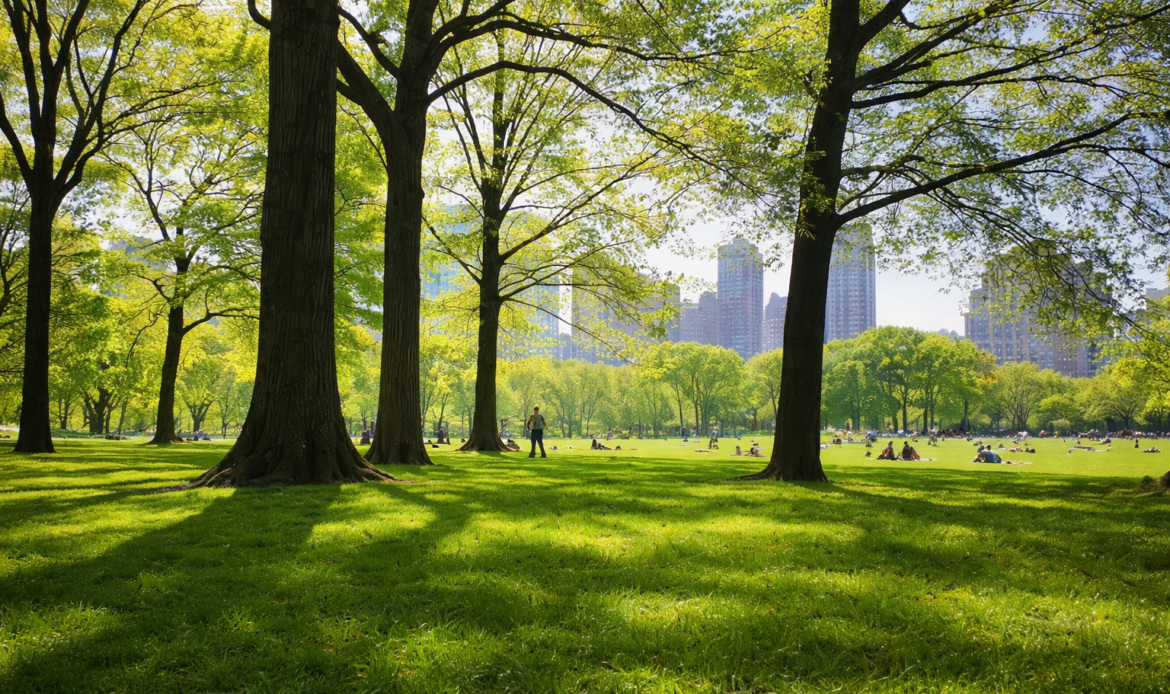
The global push toward “Green Cities” has transformed the way we view municipal infrastructure. No longer are trees seen as merely aesthetic ornaments; they are now recognized as vital biological utilities. However, the transition from a concrete jungle to a thriving urban canopy is fraught with challenges. High mortality rates among newly planted specimens often result in a cycle of “plant and replace” that drains municipal budgets and fails to provide the promised environmental benefits.
To break this cycle, a new discipline has emerged: the intersection of structural engineering and arboriculture. By utilizing cutting-edge solutions and advanced tree stabilization products, developers can finally ensure that the growth and strength of the tree are prioritized from day one.
The Economic Case for “Planting it Right”
The true cost of a tree is not found on a nursery invoice. It is found in the labor and time for installation, the years of watering, and the maintenance required to bring that tree to maturity. When a tree fails within its first three years, the return on investment (ROI) is negative.
Municipalities and private developers are beginning to realize that the cheapest staking methods are often the most expensive in the long run. Traditional t-posts and wire ties frequently lead to girdling, a process where the tree grows into its restraints, cutting off the flow of nutrients. This compromises the biology and overall health of the tree, leading to a slow death that requires costly removal.
In contrast, cost-efficient and strong, easy to install systems allow the tree to establish itself without the risk of self-strangulation. These no-touch tree support systems are designed to be a temporary bridge to self-sufficiency, providing a clear incentive for landscapers to remove stakes after 6-12 months so the hardware can be reused on the next phase of development.
Understanding the Arborist’s Challenge
For tree growers and arborists, the primary goal is to foster a tree that can survive on its own. This requires a deep understanding of thigmomorphogenesis, the way plants change their growth habit in response to mechanical stress, such as wind.
When a tree is held too rigidly, it fails to develop “taper.” A tree with no taper is like a tall pole with no base; as soon as the supports are removed, it collapses. Modern tree stabilization products solve this by allowing for “micro-sway.” This movement signals the tree to support root growth and thicken the base of the trunk.
By consulting with CH Products LLC, many professionals have found that the engineering behind modern stabilizers mimics the natural environment more closely than any wooden stake ever could. This is a crucial distinction in the quest for cutting-edge solutions that respect the living nature of the asset.
Landscaping Efficiency and the Bottom Line
From the perspective of landscapers, time is the most valuable commodity. A crew that spends two hours staking a single tree is a crew that is losing money. The industry has shifted toward systems that emphasize safety and ease of installation.
Streamlining the Job Site
Modern systems offer several advantages for the boots-on-the-ground professional:
- Reduced Footprint: Low-profile stabilizers take up less space, offering versatility for various design needs in tight urban corridors.
- Maintenance Safety: Maintenance crews can operate mowers and weed-eaters around the base of the tree without the risk of hitting guy-wires or tripping over stakes.
- Corrective Precision: These tools provide the ability to correct crooked growth on-site, ensuring the final handover to the client is perfect.
The Architect’s Aesthetic Vision
Landscape architects are often hesitant to use traditional staking because it clutters the visual appeal of a clean design. However, by using high-quality hardware like that offered by CH Products LLC, they can achieve a look that is both professional and effective. The sleek lines of modern stabilizers do not detract from the architecture; instead, they signal to the public that the trees are being cared for with the best technology available.
Commercial Growth and the Future of the Grow-Line
The journey of a city tree begins in the nursery. Commercial growers face a unique set of challenges: they must grow thousands of trees that are perfectly straight, healthy, and ready for transport. This has led to the development of the grow-line solution for commercial growers, specifically designed to handle high-density planting environments.
Systems like the EZ Tree Collar have revolutionized this space. By allowing for rapid adjustments as the tree grows, these collars prevent the “trunk scarring” that often devalues nursery stock. When a grower produces a superior product, the landscapers and arborists who eventually plant it have a much higher chance of success.
The Environmental Imperative
As urban heat islands intensify, the shade provided by a mature canopy is a matter of public health. A tree that reaches maturity can lower local temperatures by up to 10 degrees. However, a tree can only reach that size if its early years are protected.
By focusing on the biology and overall health of the tree, we are not just planting greenery; we are building a cooling infrastructure. This requires a commitment to innovation and customer satisfaction across the entire supply chain, from the manufacturer to the city maintenance worker.
The use of no-touch tree support systems represents a shift in philosophy. We are moving away from “controlling” nature and toward “facilitating” it. This facilitate-first approach is what will ultimately define the success of our 21st-century cities.
Building a sustainable urban forest is not the job of a single person. it requires:
- Architects to specify the right versatility for various design needs.
- Growers to utilize the best grow-line solution for commercial growers.
- Landscapers to prioritize safety and ease and ensure the incentive for landscapers to remove stakes after 6-12 months is followed.
- Manufacturers to continue producing strong, easy to install products.
When these groups align, the results are magnificent. Through the use of cutting-edge solutions, we can ensure that every tree planted today becomes a landmark of tomorrow. The work of companies like CH Products LLC serves as the backbone for this movement, providing the tools necessary to protect the trunk, support root growth, and ensure the growth and strength of the tree for decades to come.